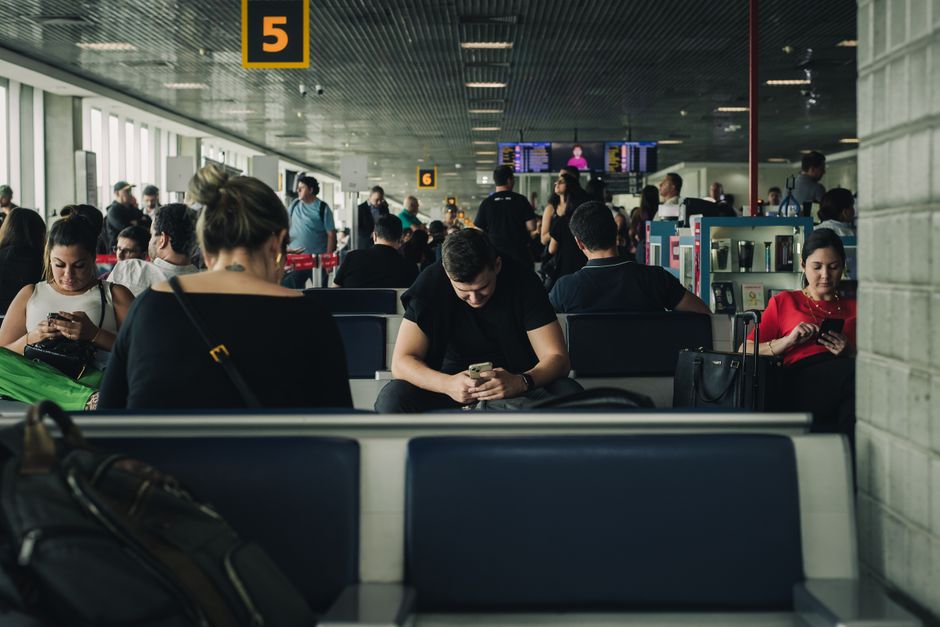
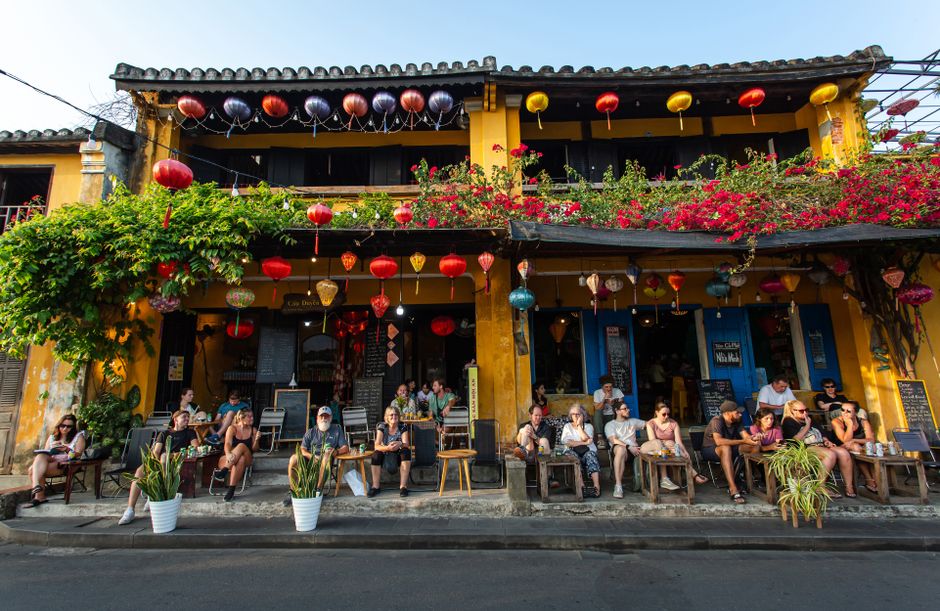
Your first local spot gives you something paperwork cannot: a familiar face, a small routine, and proof that you are beginning to belong in Da Nang. You can recreate that feeling by returning to one nearby place regularly, learning its rhythm, and letting recognition grow through small interactions.
Picture Mai, an illustrative composite: a freelance designer who arrived with one suitcase, a folding keyboard, and a folder full of immigration documents. By late afternoon, she had finished the first round of visa paperwork and expected relief. Instead, she sat on the edge of her bed in a Da Nang apartment, listening to scooters outside and wondering what came next.
Her document copies were filed. Her passport was back where it belonged. Yet everyone she normally called was asleep several time zones away, and the city beyond her window still felt like somewhere she was visiting.
The next morning, Mai took her laptop to a small café near her apartment. Rain had started while she walked, leaving dark patches on her sleeves. Every table inside was taken. If she could not work there, she would miss a client call, and the unstable connection at her apartment had already failed twice.
She stood near the entrance holding a dripping helmet, unsure where to go.
Then a regular shifted his bag from an empty chair. The person behind the counter pointed to the seat and brought over a towel for the table. Mai joined her call with minutes to spare.
That café became the first pin on her mental map that meant more than “place to buy coffee.”
Why belonging often starts after the paperwork
The first administrative tasks create a clear mission. Find the right documents. Check the dates. Keep copies. Attend the appointment. Each completed item brings a satisfying sense of progress.
Then the checklist grows quiet.
This is where the emotional part of moving abroad can catch you off guard. You have completed the urgent tasks, but you still do not know where to go when you want an easy lunch, who will recognize you on a difficult morning, or which street feels comfortable after dark.
The hardest part of living abroad often comes from what the move leaves behind: casual familiarity. Back home, you knew which shop stayed calm at busy times. Someone at your usual café knew your order. You could ask a friend where to repair a bag or find a quiet place to work.
In Da Nang, those tiny certainties have to be rebuilt. A local spot gives you somewhere to begin.
Turn one nearby place into an anchor
Choose a place that fits your real routine, rather than the place you think an adventurous newcomer should choose. It might be a café near your apartment, a breakfast stall you pass each morning, a gym, a coworking space, or a bench near the coast.
Convenience matters because repetition creates familiarity. A spectacular place across the city may remain a weekend destination. The modest place around the corner can become part of your life.
Go at roughly the same time for a week or two. Notice when it feels comfortable, where people leave helmets or umbrellas, and whether ordering happens at the counter or from the table. Watch first. You do not need to master every local custom on day one.
Keep your first interactions small. Learn how to say hello and thank you. Order something you can remember. Ask one practical question when the moment feels right. The goal is steady recognition, not instant friendship.
Mai returned to the same café the following morning. Then again two days later. On her fourth visit, the person behind the counter pointed toward the table with the strongest connection before Mai asked. That simple gesture changed the room. She had become someone expected.
Build a life beside the visa checklist
Visa paperwork and belonging compete for attention when you treat them as separate projects. A gentler approach pairs one administrative task with one local action.
After checking an expiry date, walk to a nearby market and learn where one useful item is sold. After saving document copies, try the lunch place you have passed three times. Once an appointment is finished, spend twenty minutes exploring the surrounding streets before going home.
Keep official requirements in a clear system, especially renewal dates and documents you may need again. A guided relocation journey can help you see what needs attention next without carrying every deadline in your head. For document preparation, the lesson in What If One VFS Document Does Not Match the Checklist? is useful: a nearly correct document can still create avoidable stress.
Then give social settling its own visible place. Add “return to the café” or “visit the same market stall” beside the serious tasks. These actions may look small, but they answer a different need: where do I feel known?
Let familiarity become connection
After a few visits, widen the circle gently. Ask the café staff what they recommend. Notice community boards and recurring gatherings. If another regular starts a conversation, stay for a few minutes instead of rushing back to your screen.
Belonging grows through repeated low-pressure encounters. It rarely arrives as one dramatic welcome.
A month after that rainy morning, Mai still had renewal dates to track and unfamiliar errands to handle. But on difficult afternoons, she no longer searched a map for somewhere to sit. She walked to the same café, set her helmet by the familiar table, and heard a greeting before she reached the counter.
Tomorrow, choose one place within an easy walk of home. Go back twice before deciding whether it could become yours.