West Virginia’s remote worker model works because it treats relocation as a community experience, rather than a cash transaction. Ascend WV pairs financial incentives with local connections, outdoor experiences, and practical support that help newcomers build a life after the moving boxes are empty.
On September 11, 2001, 38 diverted aircraft landed in Gander, Newfoundland. The Canadian town, then home to roughly 10,000 people, suddenly had to receive thousands of stranded passengers without knowing how long they would stay.
Mayor Claude Elliott and local residents helped turn schools, churches, and community buildings into places where passengers could sleep, eat, and contact their families. The story, documented extensively by CBC, became famous because Gander offered something harder to organize than spare beds: people stepped forward and made strangers feel expected.
West Virginia faces a smaller and happier version of the same human challenge. Attracting remote workers is one task. Helping them feel that they belong after arrival is another.
The incentive gets attention, but the welcome shapes the move
Ascend WV was launched in 2021 with support from West Virginia University and a $25 million gift from Brad D. Smith and Alys Smith. The offer included a cash incentive for eligible remote workers, but the program’s positioning reached beyond the payment. Participants would also gain access to outdoor recreation, local experiences, and a ready-made community.
That distinction matters.
A relocation payment can make a destination easier to consider. It cannot tell you whom to call when you need a local recommendation, where people gather on a quiet Thursday evening, or how to turn familiar faces into friends.
Those small questions often decide whether a move feels temporary or begins to feel like home. A remote worker can keep the same job, salary, and video meetings while everything outside the laptop changes at once.
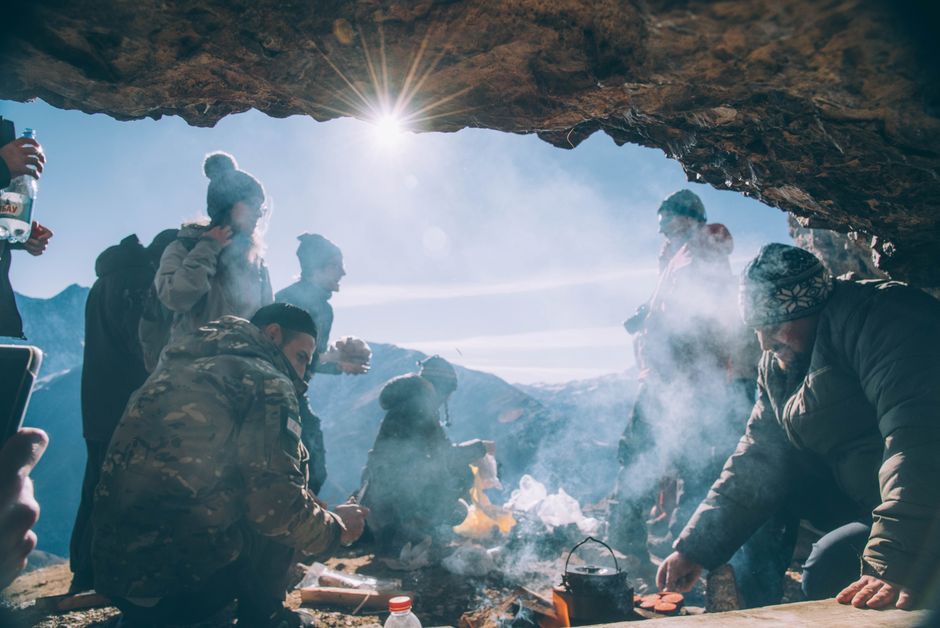
West Virginia’s model recognizes that the first weeks need structure. Moving to Morgantown, Lewisburg, or another participating community becomes easier when introductions and shared activities are part of the arrival experience. New residents have a reason to leave the house before isolation settles into a routine.
Belonging needs repeated, ordinary contact
Community rarely arrives through one welcome event. It grows through repetition.
You see the same person on a group walk. Someone remembers your name at the next gathering. A local tells you which trail suits a free afternoon or where to sit with a coffee and work for an hour. None of these moments looks dramatic. Together, they create familiarity.
That is why organized local support can matter more than a glossy list of attractions. Mountains and small towns may inspire someone to apply, but recurring contact helps that person stay connected once the novelty fades.
The lesson applies far beyond West Virginia. When you move abroad, do not leave community building until every document is filed and every box is unpacked. Add one repeatable social ritual to your arrival checklist: a weekly language exchange, a running group, a regular market visit, or the same neighborhood café each Saturday.
Frequency beats variety when you are starting from zero. Our guide to building community in Zagreb explores how a simple weekly habit can turn unfamiliar people into recognizable faces.
Practical support makes exploration possible
A warm welcome does not remove the administrative side of relocation. Remote workers still need to track documents, compare housing, understand local services, and prepare for costs that appear after arrival.
Community support helps because it reduces the number of problems you must solve alone. Local knowledge can point you toward the right questions, warn you when an assumption needs checking, and give you a clearer starting place.
The paperwork still deserves its own calm system. Keep document expiry dates together. Save copies of important confirmations. Separate official requirements from friendly advice, and verify anything that could affect your legal status or housing.
Then make room for the enjoyable parts of settling in. Try the nearby walking route. Learn the name of the person behind the counter. Return somewhere you liked instead of collecting twenty places you barely remember.
This balance is important. A checklist helps you function; familiar people and places help you settle. Finishing the paperwork alone may still leave you feeling unanchored, as this piece about feeling unsettled after the admin is done explains.
Build your own small-town welcome
You do not need a formal relocation program to borrow West Virginia’s strongest idea.
Before moving, choose one group you can join during your first week. Ask a future landlord, colleague, university contact, or local community group for one practical recommendation. Put a recurring activity on your calendar before the empty evenings begin.
Also look beyond a destination’s headline incentives. Ask what happens after arrival. Are there introductions, recurring events, local contacts, or shared activities? A payment may help with the move, but a reliable path into everyday life can matter for much longer.
Gander’s response in 2001 worked because welcome became a series of practical actions carried out by real people. Ascend WV applies that same broad principle to relocation: give newcomers reasons to meet, return, and participate.
When considering your next city, count more than the financial offer. Count the doors that will be easier to open once you arrive.