
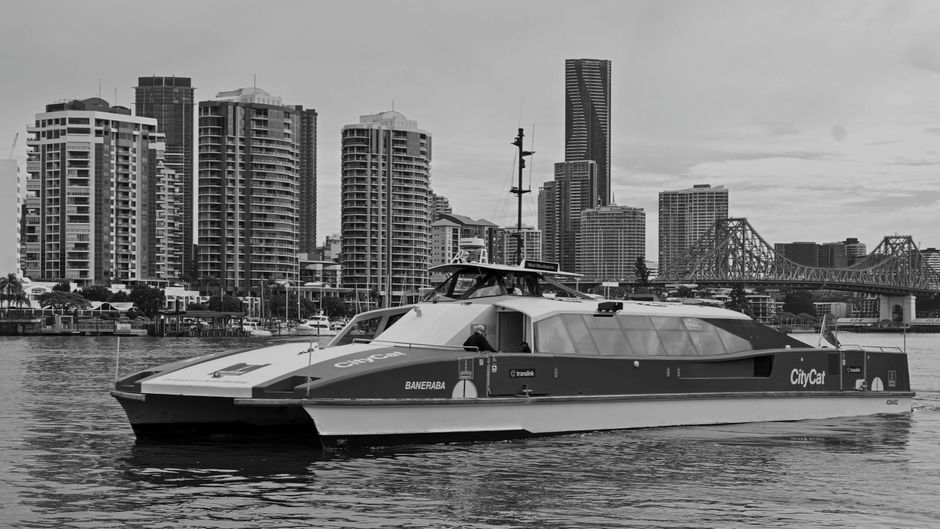
Brisbane newcomers can make the first week manageable by confirming their accommodation area, choosing one local task, checking current Translink information, using Brisbane City Council resources for local questions, and recording unresolved immigration matters separately. The goal is a reliable first-week routine, rather than trying to solve every administrative and social question at once.
Separate paperwork completion from feeling settled
Arriving in Brisbane can leave two different kinds of work competing for attention. One concerns formal obligations, such as immigration, employment, study, housing, banking, or health services. The other concerns everyday orientation: finding a supermarket, understanding the nearest bus stop, learning the shape of the neighbourhood, and knowing where to ask for help.
Keep those categories separate from the beginning. A document that still needs checking belongs on an administrative list. Uncertainty about where to buy groceries belongs on a local-settlement list. Both matter, but they require different next steps and different sources of information.
This separation prevents a common first-week problem: treating every unknown as an urgent legal or immigration issue. If your visa, permit, enrolment, or employment matter is unresolved, record the exact question, the relevant deadline if you already have one, and the responsible authority or provider. Do not rely on a general relocation article to determine your individual obligations. Immigration requirements can depend on visa type, nationality, work or study circumstances, and current government instructions.
For local orientation, begin with the address where you are actually staying. Write down the suburb, nearby major streets, the closest transport stops, your nearest food shop, and one place where you can ask a practical question in person or online. If your accommodation is temporary, record the date you expect to move and repeat the orientation process after your address changes.
Your first-week checklist can contain three columns:
- Local task: something you can complete in Brisbane, such as locating a supermarket or making one planned journey.
- Source: the official page, provider, council service, or institution connected to the task.
- Follow-up: the question or decision that remains after you check the source.
This gives each uncertainty a place to go. It also makes it easier to see which items are genuinely unresolved instead of allowing every concern to blur together.
Use Brisbane’s official newcomer orientation
Brisbane City Council maintains a “Moving to Brisbane” resource for people arriving in the city. Use it as an orientation point for council-related services and local information, then follow the links that match your situation. Council information can help with questions about living in Brisbane and accessing local support, while other matters may belong to your landlord, education provider, employer, utility company, state department, or the Australian Government.
Start by checking the Council’s moving information before searching broadly. General search results can combine old pages, commercial advice, personal experiences, and information for a different state or city. An official local source gives you a clearer starting point for council responsibilities and local services.
Read the page with a specific question in mind. For example:
- Which council service relates to my neighbourhood question?
- Is this issue handled by Brisbane City Council or another organisation?
- Is the information intended for residents, visitors, students, renters, or a particular service group?
- Does the page direct me to another authority for the final answer?
- Has the information been updated recently?
Do not assume that a council page answers questions about immigration eligibility, visa conditions, residence permits, or work rights. Those questions require the relevant immigration or institutional authority. Council resources can help you understand local services and community connections, but they do not replace advice from the body responsible for your status.
The practical next action is simple: open the Council’s moving resource, save the pages relevant to your suburb or situation, and copy any unresolved questions into your settlement checklist. Give each question an owner. “Ask Council” is useful only when you also identify the council channel or page that should receive the question.
Plan one manageable local journey
Your first journey should teach you something about your area without creating unnecessary pressure. Choose a destination that serves a real need, such as a supermarket, pharmacy, library, university campus, workplace, bank branch, or community service. Keep the route short enough that you can complete it with extra time for finding the stop, reading signs, and handling a missed connection.
Before leaving, write down:
- Your starting address or nearby landmark.
- The destination and its opening hours.
- The planned departure window.
- The transport stops or walking sections involved.
- A backup option if the service is delayed or the route feels unclear.
- A way to return without depending on memory.
A first journey can include one small orientation goal. You might notice the nearest stop, identify a second route home, check where to buy essential groceries, or locate a public place where you can sit and review information. The purpose is to build a usable mental map. One completed route gives you more confidence than collecting ten possible destinations online.
Leave time for practical friction. A map may show a short walk that feels different with luggage, heat, rain, unfamiliar crossings, or a road you cannot safely cross at the expected point. If you are carrying documents or valuables, plan how you will keep them secure and avoid rushing between connections.
Accessibility and personal safety also affect route choice. Check whether the walking sections, stops, and destination work for your mobility needs. If you arrive late, choose a route and destination that suit the conditions. If you are unsure, ask the relevant transport provider or local service for current information.
After the journey, update your notes while the details are fresh. Record the stop name, the route you used, the time it took, and anything that needs checking. This turns a one-off trip into a repeatable route for the rest of the week.
Check transport and fare information
Translink Queensland provides official information about go card products, tickets, and fares. Check the current Translink information before relying on advice from a friend, an old forum post, or a screenshot. Ticketing arrangements, fare rules, payment options, and eligibility conditions can change, and the correct choice may depend on your travel pattern and circumstances.
Start by identifying the journeys you expect to make during the first week. A person travelling between temporary accommodation and a campus may need a different approach from someone working across several locations. List the likely trips by day, including return journeys and any planned weekend travel. Then compare those needs with the current information provided by Translink.
Check the details that affect your decision:
- Which ticket or card options are available for your circumstances?
- Where can you obtain or top up the relevant product?
- What payment methods are accepted?
- Are there registration, concession, identification, or eligibility conditions?
- How do you check your balance or travel history?
- What should you do if a card, device, or payment method fails?
- Which official channel should you use when the information does not answer your question?
Do not assume a concession or special fare applies because you are a student, visitor, temporary resident, or new arrival. Eligibility can depend on the applicable category and evidence. Confirm the current conditions through Translink or the responsible authority before budgeting around a reduced fare.
Keep your first transport decision reversible where possible. You can learn your regular routes before committing to a travel pattern that does not suit your actual schedule. Save the official fare page and the relevant support contact in your checklist. If you use a go card, make a note of the card location, top-up method, and what you would do if it were lost.
Your next action is to check the current Translink go card and fares information, then write down the transport option you will use for your first necessary journey. Avoid buying or loading more than you need until you understand your schedule and the applicable conditions.
Use community support without overclaiming eligibility
Brisbane City Council’s Inclusive Brisbane information includes multicultural services and community support resources. These services may help you find local connections, understand available community information, or identify organisations that can answer questions in a culturally appropriate way.
Approach community support with a precise question. “I need help settling in” can be difficult for a service to route. “I need to find a local community organisation that can explain available language support” gives the organisation a clearer starting point. “I need advice about my visa condition” should be directed to an authorised immigration source or qualified adviser, rather than assumed to fall within a general community service.
Before contacting a service, check:
- Who the service is intended to support.
- Whether it serves your suburb or location.
- Whether an appointment, referral, identification, or interpreter request is required.
- What kind of question the service can answer.
- Whether there are eligibility conditions.
- Whether the information is current.
- What to do if the service cannot assist.
Keep eligibility language exact. A service being listed by Council does not automatically mean every newcomer can use it, that it is free, or that it provides legal, immigration, housing, medical, or financial advice. Confirm those details with the service itself.
Community support can also help with the social side of arriving, but do not make your first week depend on immediately finding a permanent community. Begin with one low-pressure connection. This could mean reading about a local service, identifying a community centre, attending an event only if the details and conditions suit you, or sending one specific enquiry.
If you are contacting an organisation, keep a record of the date, the question you asked, the reply, and any referral you received. This helps you avoid repeating the same explanation and gives you a reliable trail when several services are involved.
The practical next action is to open Brisbane City Council’s Inclusive Brisbane information and select one resource that matches your actual question. Save the service’s own contact details and confirm suitability before sharing sensitive personal information.
Build a repeatable first-week routine
A useful routine should survive a busy day, a delayed journey, or a change in plans. Give each day one local task, one administrative review, and one ordinary activity that makes the accommodation area easier to live in.
For example, your routine might look like this:
- Morning: check the day’s destination, opening hours, and transport information.
- Midday: complete one local task, such as a grocery trip, route check, or council enquiry.
- Afternoon: record what happened and identify the next responsible source for any unresolved issue.
- Evening: review documents and deadlines for a limited amount of time, then stop.
The stopping point matters. Constantly searching for relocation information can make the city feel more uncertain because every answer introduces another question. Set a short review window for administrative matters. If you cannot resolve an issue, record it accurately and assign the next action instead of repeating the same search.
Choose ordinary anchors near your accommodation. Find a place for basic groceries, a route to one essential destination, and a quiet location where you can read or make calls. These anchors reduce the number of decisions required each day. They also help you notice practical details such as opening hours, walking conditions, and the time needed to return home.
Review your list after three or four days. Remove completed tasks. Combine duplicate questions. Mark items that require a specific authority. Separate information you have confirmed from information you still need to verify. If your accommodation, study location, work location, or transport needs change, update the plan rather than treating the old version as fixed.
A first-week routine should also include recovery. Moving countries can make simple tasks take longer than expected. Leave space for sleep, food, weather changes, and the possibility that a service is unavailable when you arrive. A plan that allows one missed task is more useful than a packed schedule that collapses after the first delay.
Keep immigration and service questions accountable
A settlement checklist should show who can answer each question. Use categories such as immigration authority, education provider, employer, landlord or agent, bank, transport provider, council, community organisation, and health service. This reduces the risk of asking a general local source to answer a specialised question.
For each unresolved item, record:
- The exact question.
- The date you noticed it.
- Any deadline already stated in your documents.
- The responsible authority or provider.
- The official page or contact channel.
- The information you need to provide.
- The answer received.
- Any follow-up date.
Avoid adding deadlines you have inferred from a social media post or an old article. If a deadline is unclear, write “deadline to confirm” and contact the responsible authority. If the issue concerns your visa, permit, work rights, or study conditions, use the applicable official immigration or institutional source. A Brisbane orientation resource cannot determine an individual’s legal position.
The same principle applies to services. Council may explain a council service, while Translink can explain current ticketing information. A community organisation may clarify its own support and referral process. The responsible source matters because a confident answer from the wrong source can still lead you in the wrong direction.
What to do next
Create an Aqee local-settlement checklist with your Brisbane address, one essential destination, the current Translink information you need, one relevant Brisbane City Council resource, and a separate list of unresolved immigration or service questions.
Then complete one manageable journey. Record the route, the actual time, the return option, and the next question it raised. Use that note to plan tomorrow’s task.
For the first week, measure progress by evidence you can reuse: one confirmed local source, one understood transport route, one community contact or referral, and one routine that works near your accommodation. Those details give you a practical base while larger questions continue through the authorities and providers responsible for them.
Sources
- Brisbane City Council, Moving to Brisbane, checked 2026-09-26.
- Brisbane City Council, Inclusive Brisbane and multicultural services, checked 2026-09-26.
- Translink Queensland, go card and fares, checked 2026-09-26.
Related Aqee guide
Keep the practical follow-up in your wider move plan with Aqee’s city-orientation guide.