
Feeling at home can begin before everything starts going right. In Casablanca, a small settling-in squad can give you early momentum: one person for housing questions, one for admin, and one for discovering the city beyond your paperwork.
At 6:20 p.m., Sami stood outside his apartment building with a key that would not turn and a landlord he could not reach. He had arrived in Casablanca four days earlier for a new design job, still slept with half his clothes in an open suitcase, and carried every important document in a blue folder that was beginning to bend at the corners.
His first payment was already made. If the key problem meant he could not enter the apartment that night, he had no backup place to stay and no idea whether he could recover the money.
For ten minutes, the move felt like a mistake.
Then Sami called Youssef, a colleague he had asked to be his local housing contact. Youssef spoke with the building caretaker and helped uncover the simple problem: the door needed a particular lift-and-turn motion. Sami was inside minutes later, tired and embarrassed, but safe.
The lock was small. The lesson was bigger. He needed a team.
Build your settling-in squad before you need it
A footballer joining a new club rarely has to work out every part of the transition alone. Teammates, coaches, and club staff help the player understand the routines, the place, and the small details that make a new home feel familiar. Ally Sentnor settling into a new home with Angel City Football Club offers a useful parallel: belonging can start forming before the winning streak begins.
Your version of that support system can be modest. Three people are enough to begin:
- Ask one trusted local contact to help interpret housing questions and everyday customs.
- Choose one careful person who can help you think through admin steps without pretending to give legal advice.
- Find one curious companion for your first low-pressure outing in the city.
These roles can overlap. A classmate might know the neighborhood, while a colleague can help you prepare questions for the local registration office. A fellow newcomer may be the perfect exploration partner because neither of you has to pretend to know where you are going.
Be specific when asking for help. “Can you be my Casablanca guide?” feels large and vague. “Can I message you if I do not understand something in my rental agreement?” gives the other person a clear role.
Separate urgent admin from everyday noise
During his first week, Sami treated every task as equally urgent. Buying a lamp competed with checking his residence permit paperwork. Choosing a mobile plan sat beside confirming what documents he needed for local registration. His head became the place where every unfinished task shouted at once.
His admin contact, Lina, suggested a simpler rhythm: keep one short list for tasks tied to documents, dates, housing, or money. Put everything else on a second list.
That evening, they reviewed his blue folder together. Lina did not promise that his paperwork was correct. She helped him identify what needed verification, which questions were still unanswered, and what he should bring when seeking official guidance. That distinction matters. A helpful friend can organize your thinking, while current requirements should always be confirmed through the relevant official source.
This is where a guided relocation journey earns its place. Instead of carrying the whole move in your memory, you can break it into visible steps, mark what is complete, and keep expiring documents from disappearing beneath grocery lists and weekend plans.
If your first days already feel crowded, the story of Priya’s six conflicting lists offers another practical reminder: one dependable plan beats several half-updated versions.
Give belonging a place on the checklist
Admin creates safety. Exploration creates attachment.
After the apartment scare, Sami nearly cancelled his planned visit to the Habous Quarter. He felt he should stay home and “get organized,” although that phrase mostly meant reopening the same tabs and worrying about the same unanswered questions.
His exploration partner, Noor, sent a simple message: one hour, comfortable shoes, no errands.
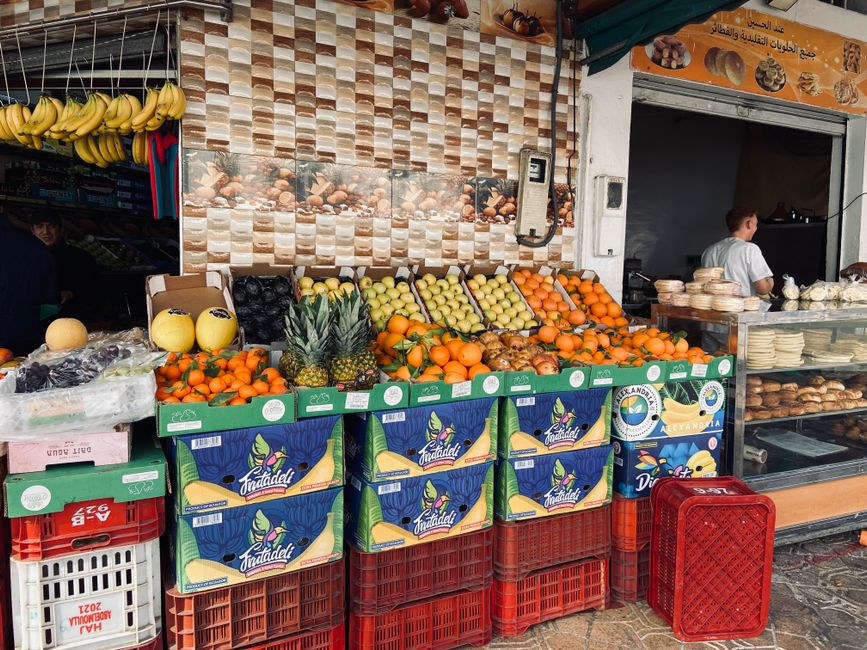
They walked through the Habous Quarter without trying to turn the visit into a grand introduction to Casablanca. Sami noticed the shopfronts, paused over a pastry, and saved the location of a small place he wanted to revisit. For the first time since landing, he had a memory of the city that did not involve a document, a payment, or a locked door.
That hour did not complete his move. It gave him something to look forward to while he completed it.
Plan this moment early. Choose one district, park, market, café, or landmark that feels manageable. Invite one person. Keep the outing short enough that it does not compete with essential tasks. The goal is to create your first familiar corner.
If the first evening feels especially heavy, this approach to making a new country feel like home can help you choose one grounding action.
Create momentum from three small wins
By the end of the week, Sami still had open questions. His blue folder remained bent. Casablanca had not become effortless.
But he knew whom to call about the apartment, which admin questions needed official answers, and where he wanted to return on Saturday. Three points of uncertainty had become three next steps.
Write down three names before your own difficult evening arrives. Assign one person to housing, one to admin, and one to exploration. Then choose your first city outing and put it beside your practical tasks.
Your move starts to feel real when you can find your documents, open your front door, and recognize one street on the walk home.