Moving to a new country is exciting, but visa applications can feel like a labyrinth. By learning from the experiences of others, you can avoid common pitfalls and make your own relocation journey much smoother. Many international students, expats, and digital nomads have faced unexpected challenges, and their stories offer invaluable lessons to help you prepare effectively.
The Peril of Procrastination: Real-Life Deadlines
One of the biggest traps for international movers is underestimating processing times and document expiry dates. We often hear stories of individuals who started their applications too close to their travel date, only to face anxiety, rushed decisions, and even delayed moves.
Take Maria, a student from Brazil planning to study in Germany. She heard from friends that processing usually took around six weeks, so she submitted her student visa application two months before her program started. What she didn’t account for was a sudden surge in applications that year, extending the average wait to three months. Suddenly, her flight tickets were booked, her accommodation secured, and she was still waiting for her visa. She had to postpone her flight, losing money on the original booking, and scramble to find temporary housing while her university start date loomed. The lesson here is clear: always check the current processing times directly with the embassy or consulate, and then add a significant buffer. Things can, and often do, take longer than expected.
Similarly, expiring passports or supporting documents can derail an otherwise perfect application. John, a digital nomad from Canada living in Thailand, almost had his work permit renewal rejected because his passport was due to expire in less than six months. Many countries require a passport to be valid for a minimum period beyond your intended stay or visa validity. Luckily, he caught it just in time, but it meant a stressful expedited passport renewal process. Always double-check validity periods for all your documents, especially your passport.
Navigating the Maze of Required Documents
The list of documents for a visa application can be daunting, and missing even one small item can lead to delays or outright rejection. This is where attention to detail really pays off.
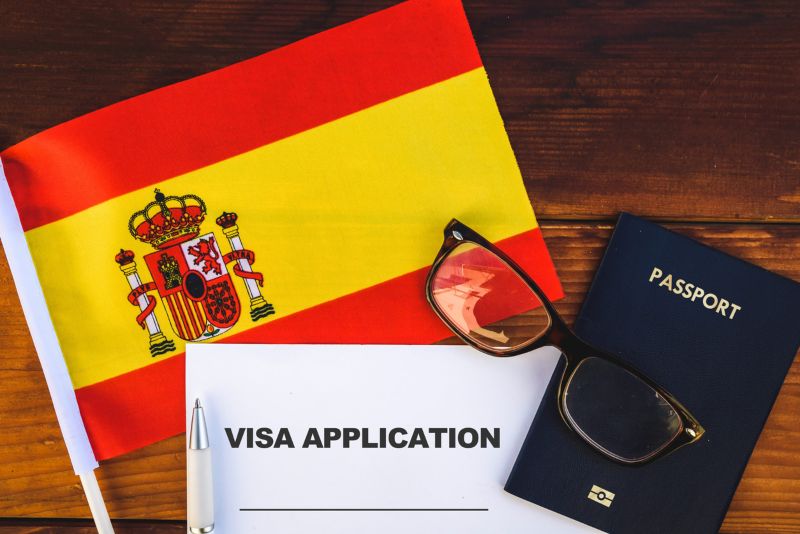
Consider the case of David, an American expat applying for a residence permit in Spain. He diligently gathered his bank statements, proof of accommodation, and health insurance. However, he overlooked one crucial detail: many official documents, like birth certificates or marriage licenses, need to be apostilled or legalized by the correct authority in your home country, and then officially translated into the local language. David’s application was held up for weeks while he urgently arranged these international certifications, adding unexpected costs and stress. Budgeting for Beginners: Avoiding Surprise Costs Abroad can help you anticipate these kinds of expenses.
Another common pitfall involves proof of funds. Visa officers need to see that you can support yourself without becoming a burden on the state. Sarah, an international student heading to the UK, presented her savings account statement, but it didn’t clearly show the source of her funds. Her application was delayed as the embassy requested additional documentation explaining large deposits. Ensure your financial evidence is clear, verifiable, and meets the specific requirements of the country you’re moving to. This often means showing consistent income or a clear paper trail for any significant lump sums. For those looking at a move to the UK, our UK Relocation Checklist for Expats covers these details.
The Language Barrier and Local Nuances
Beyond the formal requirements, understanding local customs and the specific language used in official communications can make a huge difference. What seems straightforward in one country might have subtle but critical implications in another.
Emily, a German expat in Japan, found this out when she applied for her spouse visa. She filled out the forms accurately, but during her interview, she used very direct language to answer questions about her intentions, which in Japanese culture can sometimes be perceived as overly blunt or even aggressive, especially in formal settings. While her visa was eventually approved, the interview felt unnecessarily strained. Understanding the nuances of communication, even non-verbal cues, can significantly improve interactions with immigration officers. While we can’t translate every cultural quirk, tools like Aqee help you understand the precise administrative language.
Sometimes, the “trap” isn’t a mistake on your part, but a misunderstanding of local norms. Mark, a digital nomad in Portugal, was surprised when his landlord requested a specific type of notarized rental contract for his visa extension, even though his current contract seemed perfectly valid. It turned out that for immigration purposes, only certain types of “officially recognized” rental agreements are accepted. He had to renegotiate with his landlord and get a new contract drawn up. These local specificities are rarely advertised and are often learned through experience, or through resources that share insider tips.
By paying close attention to deadlines, double-checking every document, and being aware of local administrative nuances, you can significantly reduce stress and improve your chances of a successful visa application. Learning from others’ experiences is a smart way to prepare for your own adventure.