Moving to a new country means more than just learning a new language or navigating local bureaucracy, it means understanding the unspoken rules, too. Decoding local non-verbal cues like hand gestures and eye contact is essential for effective communication and for feeling at home in your new environment from Day 0.
The Silent Language of Hands
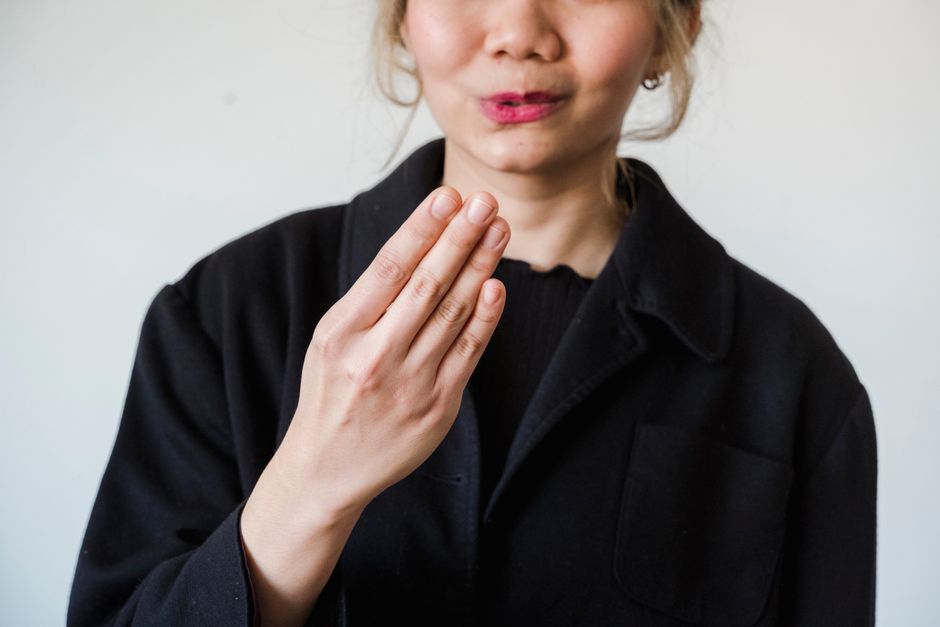
Hand gestures are incredibly diverse across cultures, and a simple movement can mean entirely different things depending on where you are. What’s a friendly wave in one country might be an insult in another. Getting a grasp on these differences helps you avoid awkward misunderstandings and connect more genuinely with locals.
Common Misinterpretations to Watch For
- The “OK” sign: In many Western countries, forming a circle with your thumb and index finger means “okay” or “good.” However, in Brazil, Germany, and some Middle Eastern countries, it can be considered offensive. In Japan, it means “money.”
- Pointing: While pointing with an index finger is common in many places, in some cultures, like in parts of Asia and Africa, it’s considered rude. Instead, people might gesture with their chin, a full open hand, or even their eyes.
- The “Come Here” gesture: Curling your index finger upwards to beckon someone is widely understood in Western countries. In places like the Philippines and Japan, this gesture is considered extremely impolite, and in some cases, it can be illegal or associated with calling animals.
- Thumbs Up: The universally recognized “thumbs up” for approval can also be tricky. While friendly in most Western nations, it’s considered very rude in parts of the Middle East, West Africa, and South America, similar to giving someone the middle finger.
Learning the local nuances of hand gestures can turn a potentially confusing interaction into a smooth one. Observing how locals use their hands in everyday conversations, and even watching local media, can offer valuable insights.
Eye Contact: A Window to Cultural Norms
How much and what kind of eye contact is appropriate also varies significantly by culture. In some places, direct eye contact shows honesty and engagement, while in others, it can be seen as aggressive or disrespectful, especially towards elders or figures of authority.
Navigating Different Gaze Habits
- High-Context vs. Low-Context Cultures: In low-context cultures (like much of North America and Western Europe), direct eye contact generally signals attentiveness and trustworthiness. In high-context cultures (common in many Asian, African, and Latin American countries), prolonged direct eye contact can be seen as challenging, confrontational, or intrusive. In these cultures, a softer, less direct gaze is often preferred, especially in formal settings or when speaking with superiors.
- Respect and Deference: In many cultures, avoiding direct eye contact with elders, teachers, or bosses is a sign of respect and humility. Maintaining a gaze that is too direct might be interpreted as insubordination or a lack of proper reverence.
- Gender Differences: In some societies, there might be different expectations for eye contact between genders, particularly in public or formal interactions. It’s often safer to observe and follow the lead of local women in such situations.
When you’re first arriving, remember that the goal isn’t to perfectly imitate every local cue but to show respect and openness to learning. A good rule of thumb is to start with slightly less direct eye contact in unfamiliar situations and then adjust based on how others respond. You’ll quickly pick up on what feels natural in your new surroundings. For more tips on preparing for your big move, check out The Ultimate Pre-Arrival Checklist: What to Do Before Your Plane Lands.
Why These Unspoken Cues Matter
Beyond simply avoiding offense, understanding non-verbal communication can significantly enhance your experience abroad. It helps you build rapport faster, integrate into local communities more smoothly, and even pick up on subtle cues that could indicate genuine interest or discomfort in conversations. This skill is invaluable whether you’re negotiating for a flat, making new friends, or simply ordering food. It’s about showing that you’re engaged, respectful, and open to the local way of life.
Remember, every “oops” moment is a learning opportunity. The journey of moving abroad is filled with these small discoveries, making each day an adventure in understanding.